21.08.2026 · 7 min read
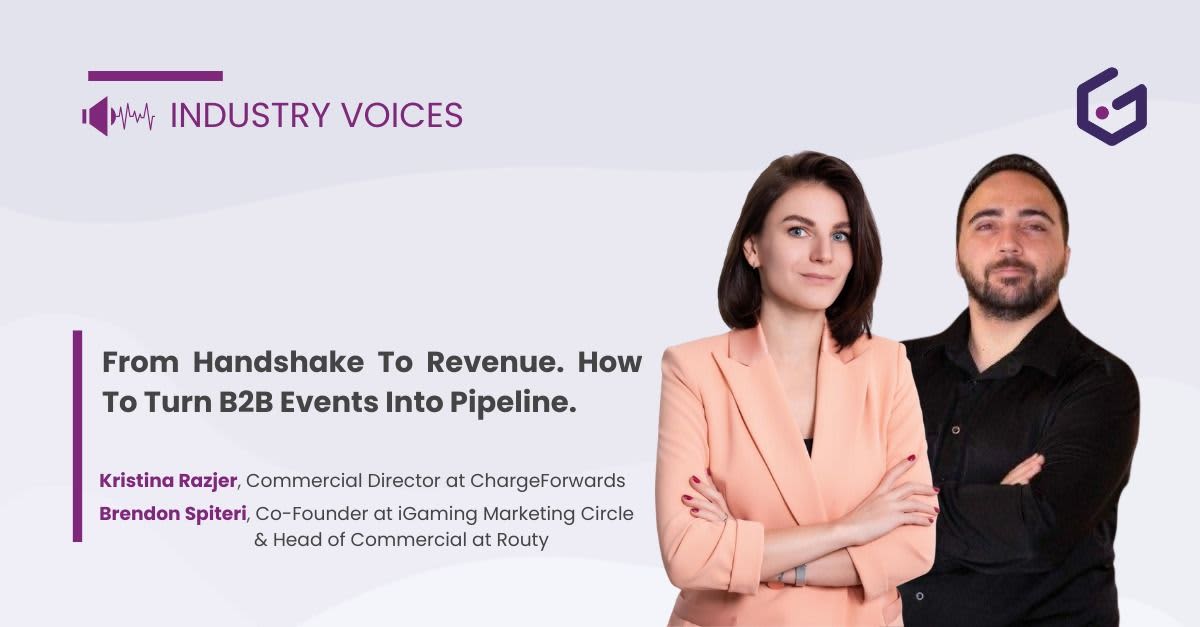
From Handshake To Revenue. How To Turn B2B Events Into Pipeline.
B2B offline channels are becoming an increasingly powerful source of leads. As AI and automation make digital outreach easier and more accessible, decision-makers are being flooded with emails, LinkedIn messages, and automated sequences. As a result, many of these traditional digital channels are becoming easier to ignore.
This creates a growing opportunity for offline B2B channels such as networking events, industry conferences, meetups, and niche-specific gatherings.
These environments give you the chance to meet decision-makers face-to-face, build genuine relationships, and connect with companies that may have been difficult to reach through traditional outreach. Even if the person you meet isn't the decision-maker you're looking for, they may be able to introduce you to the right person within their organisation.
Attending events that are closely aligned with your niche can make this even more effective. Instead of trying to reach hundreds of companies through cold outreach, you can put yourself in environments where the right companies, partners, and decision-makers are already gathered.
B2B sales has changed significantly. While technology has made outreach more scalable, it has also made relationships, credibility, and trust more valuable.
Ultimately, people are far more likely to do business with people they know, trust, or have been introduced to through someone they trust.
Treat Events Like a Revenue Channel, Not an Open Bar
To get results from offline channels, you need to treat events like a real marketing channel, not an open bar across the street.
For larger events, the process can be structured into three phases: before, during, and after the event.
Before the event, companies identify target companies, map relevant decision-makers, and start communication in advance. The objective is not to book as many meetings as possible, but to reach the right people.
During the event, the focus is on meetings, qualification, and capturing information only for relevant contact. (Be careful here, because most Business Developers are just collecting random contacts with who they drink).
After the event, every relevant conversation should be connected to a specific next action. This is where event activity becomes a pipeline. Without structured follow-up, even a strong event can end as a collection of business cards and LinkedIn connections.
There is another important revenue opportunity: events are not only client acquisition channels.
The people you meet can create different forms of commercial value: clients generate direct revenue, partners expand distribution, referral partners create qualified opportunities, technology providers improve the proposition, investors support growth, and industry experts provide market insights.
This means the value of an event should not be measured only by leads or meetings. A better measurement framework includes pipeline generated, partner opportunities, referrals, strategic intelligence, conversion rate and revenue influence.
The strongest companies therefore do not attend events simply to “network”. They enter with a clear commercial objective, identify the people who can influence company growth, and build relationships that can create value beyond the initial conversation.
Choosing the Right Event
We discussed how effective events, conferences, and niche gatherings can be as an offline B2B channel. However, one of the most crucial parts of making this channel work is choosing which events or conferences are actually worth attending.
Before even buying a ticket, you have to ask yourself: Will your ICP actually be there? What percentage of attendees are potential buyers or potential partners? Another important factor is the seniority of the audience. Will there be actual decision-makers attending, and is there a way to identify some of the attendees beforehand?
This is where the pre-event work starts. The goal is to go into the event with a clear strategy and an understanding of who you need to meet, rather than simply showing up and hoping to have the right conversations.
Using social media platforms such as LinkedIn and industry-specific communities similar to OnlyiGaming, you can scout who is attending and start identifying relevant people before the event. You can even reach out beforehand as an ice breaker, mention that you will also be there, and ask if you can take a couple of minutes of their time.
The approach will depend on the type of event. At a smaller networking event, the environment is usually much more relaxed and conversations can happen naturally. At a larger conference, however, schedules are usually much busier. If there is someone you specifically want to meet, you may need to schedule an actual meeting in advance and take a more formal approach.
Once you have most of this figured out and the event makes commercial and business sense for you to attend, the next factor to consider is cost.
The real cost of attending an event is not only the ticket. You also have to consider travel, accommodation, employee time, client entertainment, and any other expenses around the event. This becomes especially important if you're attending multiple events or conferences throughout the year.
Setting an event budget gives you a clearer idea of your expenses in the long term, but it also allows you to start understanding ROI. Over time, you can compare which events generated relevant conversations, qualified opportunities, partnerships, and ultimately revenue.
However, measuring the ROI of an event is not always straightforward. A conversation at a conference may not turn into a client immediately. You might meet someone at an event, follow up a week later, have several calls over the following months, and only close the deal much later.
While you may not always be able to fully attribute an event or conference to a closed deal, you can track where the relationship started, the last touchpoint before an opportunity was created, and how many follow-ups were needed before the client was fully onboarded and converted into a paying customer.
This gives you a much clearer picture of how offline channels influence your client funnel. Over time, this data can help you understand which events are worth attending again, which ones are not producing enough commercial value, and where your event budget is most likely to generate revenue.
Who Should Actually Attend?
Before creating your yearly event plan, there is one more question that companies often underestimate: who is actually going to represent you?
Think about it as a chess game, because sending the wrong person to the right event can be almost as useless as sending the right person to the wrong event.
A technical person might know every detail of the product but struggle to approach strangers, read the room, and build relationships, while a strong salesperson may be excellent at creating conversations but struggle when the discussion becomes technical.
And this is exactly why you need to understand what type of event you are attending.
Some events are primarily business-oriented, where commercial and relationship-building skills matter most, while others are more technical and industry-focused, where deeper product knowledge and subject-matter expertise can make a much bigger difference.
This is why pre-conference training can make a significant difference, with the team aligned around target companies, specific questions, expected answers, qualification criteria and the actions required after different types of conversations.
You can even have a real-time channel connecting the commercial team at the event with technical or operational teams back in the office, so that when a serious prospect asks a question that requires specialist input, the right person can support the conversation immediately rather than leaving the salesperson with the classic corporate response of “I'll get back to you.”
And technology should not disappear just because you have left the office.
Use AI recording, note-takers, CRM automation and the shortest possible process for capturing information, because the objective is to spend your time having valuable conversations rather than trying to remember what the hell you discussed with someone three hours ago.
And please, never rely on “let's exchange Telegram.”
If you exchange contact details, capture the additional context immediately and send something relevant based on the conversation you just had, because that small action can be the difference between a relationship entering your pipeline and becoming another forgotten contact.
Don't send a useless emoji and rely on following up after a week.
Ultimately, the strongest companies do not attend events simply to network. They enter with a commercial objective, know exactly who they want to meet, send the right people, prepare them properly, capture the right information, and connect every valuable conversation to the next action.
Because the value of an event is not the number of people you meet, the number of meetings you book, or the number of drinks you survive.
The real value is what your company is able to do because those conversations happened.
That is when an event stops being an expense on the marketing budget and starts becoming a revenue channel.
Author: Brendon Spiteri
Head of Commercial at Routy x Co - Founder at iGaming Marketing Circle
Author: Kristina Rajzer
Commercial Director at ChargeForwards
Categories
Enjoyed this story?
Add OnlyiGaming as a preferred source on Google to see more of our reporting.

Comments (1)
%20by%20%E2%80%9EPablo%20Stanley%E2%80%9D%2C%20licensed%20under%20%E2%80%9EFree%20for%20personal%20and%20commercial%20use%E2%80%9D%20(https%3A%2F%2Fbottts.com%2F)%3C%2Fdc%3Arights%3E%3C%2Frdf%3ADescription%3E%3C%2Frdf%3ARDF%3E%3C%2Fmetadata%3E%3Cmask%20id%3D%22viewboxMask%22%3E%3Crect%20width%3D%22180%22%20height%3D%22180%22%20rx%3D%220%22%20ry%3D%220%22%20x%3D%220%22%20y%3D%220%22%20fill%3D%22%23fff%22%20%2F%3E%3C%2Fmask%3E%3Cg%20mask%3D%22url(%23viewboxMask)%22%3E%3Cg%20transform%3D%22translate(27%2027)%20scale(0.7)%22%3E%3Cg%20transform%3D%22translate(0%2066)%22%3E%3Cg%20opacity%3D%22.9%22%20stroke%3D%22%232A3544%22%3E%3Cellipse%20cx%3D%2232.5%22%20cy%3D%2223%22%20rx%3D%2216.5%22%20ry%3D%2218%22%20stroke-width%3D%226%22%2F%3E%3Cpath%20d%3D%22M29.51%2036.76c-7.4%204.29-17%201.55-21.42-6.1%22%20stroke-width%3D%224%22%2F%3E%3Cellipse%20cx%3D%2228.5%22%20cy%3D%2252.5%22%20rx%3D%2216.5%22%20ry%3D%2214.5%22%20stroke-width%3D%224%22%2F%3E%3C%2Fg%3E%3Cg%20opacity%3D%22.9%22%20stroke%3D%22%232A3544%22%3E%3Cpath%20d%3D%22M168.6%2060.42c-4.27-7.41-13.95-9.84-21.6-5.42%22%20stroke-width%3D%224%22%2F%3E%3Cellipse%20cx%3D%22148.5%22%20cy%3D%2222.5%22%20rx%3D%2216.5%22%20ry%3D%2215.5%22%20stroke-width%3D%226%22%2F%3E%3C%2Fg%3E%3Cmask%20id%3D%22sidesCables02-a%22%20style%3D%22mask-type%3Aluminance%22%20maskUnits%3D%22userSpaceOnUse%22%20x%3D%2221%22%20y%3D%220%22%20width%3D%22138%22%20height%3D%2272%22%3E%3Cg%20fill%3D%22%23fff%22%3E%3Crect%20x%3D%2221%22%20y%3D%2227%22%20width%3D%2216%22%20height%3D%2222%22%20rx%3D%222%22%2F%3E%3Crect%20x%3D%2222%22%20y%3D%2260%22%20width%3D%2216%22%20height%3D%2212%22%20rx%3D%222%22%2F%3E%3Crect%20x%3D%22143%22%20y%3D%2242%22%20width%3D%2216%22%20height%3D%2222%22%20rx%3D%222%22%2F%3E%3Crect%20x%3D%22143%22%20width%3D%2216%22%20height%3D%2222%22%20rx%3D%222%22%2F%3E%3C%2Fg%3E%3C%2Fmask%3E%3Cg%20mask%3D%22url(%23sidesCables02-a)%22%3E%3Cpath%20d%3D%22M0%200h180v76H0V0Z%22%20fill%3D%22%23e53935%22%2F%3E%3Cpath%20d%3D%22M0%200h180v76H0V0Z%22%20fill%3D%22%23fff%22%20fill-opacity%3D%22.3%22%2F%3E%3C%2Fg%3E%3C%2Fg%3E%3Cg%20transform%3D%22translate(41)%22%3E%3Cmask%20id%3D%22topHorns-a%22%20style%3D%22mask-type%3Aluminance%22%20maskUnits%3D%22userSpaceOnUse%22%20x%3D%228%22%20y%3D%2212%22%20width%3D%2284%22%20height%3D%2240%22%3E%3Cg%20fill%3D%22%23fff%22%3E%3Cpath%20d%3D%22M8%2040h26v12H8z%22%2F%3E%3Cpath%20transform%3D%22matrix(-1%200%200%201%2092%2040)%22%20d%3D%22M0%200h26v12H0z%22%2F%3E%3Cpath%20fill-rule%3D%22evenodd%22%20clip-rule%3D%22evenodd%22%20d%3D%22M16.52%2013.74c0%207.84%205.39%2020.71%2013.72%2027.04H11.36S7.84%2022.66%2013.43%2014.1c.9-1.38%203.1-1.42%203.1-.36ZM84%2014c.66%207.04-5.77%2020.62-14%2027h19s3.14-18.26-2-27c-1-1.7-3.14-1.45-3%200Z%22%2F%3E%3C%2Fg%3E%3C%2Fmask%3E%3Cg%20mask%3D%22url(%23topHorns-a)%22%3E%3Cpath%20d%3D%22M0%200h100v52H0V0Z%22%20fill%3D%22%23e53935%22%2F%3E%3Cpath%20d%3D%22M0%200h100v52H0V0Z%22%20fill%3D%22%23fff%22%20fill-opacity%3D%22.3%22%2F%3E%3Cpath%20fill%3D%22%23000%22%20fill-opacity%3D%22.4%22%20d%3D%22M0%2040h100v12H0z%22%2F%3E%3Cpath%20fill-rule%3D%22evenodd%22%20clip-rule%3D%22evenodd%22%20d%3D%22M15.46%2013h16.1v27H20.83c-7.45-7.85-5.36-27-5.36-27ZM84.82%2013h7.75v27H81.82c5.75-7.8%203-27%203-27Z%22%20fill%3D%22%23fff%22%20fill-opacity%3D%22.4%22%2F%3E%3C%2Fg%3E%3C%2Fg%3E%3Cg%20transform%3D%22translate(25%2044)%22%3E%3Cmask%20id%3D%22faceRound02-a%22%20style%3D%22mask-type%3Aluminance%22%20maskUnits%3D%22userSpaceOnUse%22%20x%3D%220%22%20y%3D%220%22%20width%3D%22130%22%20height%3D%22120%22%3E%3Cpath%20fill-rule%3D%22evenodd%22%20clip-rule%3D%22evenodd%22%20d%3D%22M0%2031v-1c.18-.48.4-1.5%201-3%20.83-3.06%202.78-6.56%206-10C16.7%206.6%2035.17%200%2065%200s48.3%206.6%2058%2017c3.22%203.44%205.17%206.94%206%2010%20.6%201.5.82%202.52%201%203v40c0-.1-.03.5%200%201a53.93%2053.93%200%200%201-1%206c-1.19%206-3.4%2011.91-7%2017-9.72%2016.34-27.74%2026-57%2026s-47.28-9.66-57-26C4.4%2088.91%202.2%2083%201%2077a53.95%2053.95%200%200%201-1-6c.03-.45%200-1.32%200-1V31Z%22%20fill%3D%22%23fff%22%2F%3E%3C%2Fmask%3E%3Cg%20mask%3D%22url(%23faceRound02-a)%22%3E%3Cpath%20d%3D%22M-4-2h138v124H-4V-2Z%22%20fill%3D%22%23e53935%22%2F%3E%3Cg%20transform%3D%22translate(-1%20-1)%22%3E%3C%2Fg%3E%3C%2Fg%3E%3C%2Fg%3E%3Cg%20transform%3D%22translate(52%20124)%22%3E%3Cpath%20fill-rule%3D%22evenodd%22%20clip-rule%3D%22evenodd%22%20d%3D%22M18%2010.22C18%2021.78%2024.47%2028%2038%2028c13.52%200%2020-6.34%2020-17.78C58%209.5%2057.17%208%2055%208H21c-2.05%200-3%201.38-3%202.22Z%22%20fill%3D%22%23000%22%20fill-opacity%3D%22.8%22%2F%3E%3Cmask%20id%3D%22mouthSmile02-a%22%20style%3D%22mask-type%3Aluminance%22%20maskUnits%3D%22userSpaceOnUse%22%20x%3D%2218%22%20y%3D%228%22%20width%3D%2240%22%20height%3D%2220%22%3E%3Cpath%20fill-rule%3D%22evenodd%22%20clip-rule%3D%22evenodd%22%20d%3D%22M18%2010.22C18%2021.78%2024.47%2028%2038%2028c13.52%200%2020-6.34%2020-17.78C58%209.5%2057.17%208%2055%208H21c-2.05%200-3%201.38-3%202.22Z%22%20fill%3D%22%23fff%22%2F%3E%3C%2Fmask%3E%3Cg%20mask%3D%22url(%23mouthSmile02-a)%22%3E%3Crect%20x%3D%2230%22%20y%3D%222%22%20width%3D%2216%22%20height%3D%2214%22%20rx%3D%222%22%20fill%3D%22%23fff%22%2F%3E%3C%2Fg%3E%3C%2Fg%3E%3Cg%20transform%3D%22translate(38%2076)%22%3E%3Crect%20x%3D%227%22%20y%3D%2216%22%20width%3D%2291%22%20height%3D%2216%22%20rx%3D%224%22%20fill%3D%22%23000%22%20fill-opacity%3D%22.8%22%2F%3E%3Cmask%20id%3D%22eyesRobocop-a%22%20style%3D%22mask-type%3Aluminance%22%20maskUnits%3D%22userSpaceOnUse%22%20x%3D%227%22%20y%3D%2216%22%20width%3D%2291%22%20height%3D%2216%22%3E%3Crect%20x%3D%227%22%20y%3D%2216%22%20width%3D%2291%22%20height%3D%2216%22%20rx%3D%224%22%20fill%3D%22%23fff%22%2F%3E%3C%2Fmask%3E%3Cg%20mask%3D%22url(%23eyesRobocop-a)%22%20fill-rule%3D%22evenodd%22%20clip-rule%3D%22evenodd%22%20fill%3D%22%23fff%22%20fill-opacity%3D%22.8%22%3E%3Cpath%20d%3D%22M76%207h18L82%2037H64L76%207ZM52%207h9L49%2037h-9L52%207Z%22%2F%3E%3C%2Fg%3E%3C%2Fg%3E%3C%2Fg%3E%3C%2Fg%3E%3C%2Fsvg%3E) C
C